Why was the RCC formed?
Read about the origin of the RCC, who it is for and its intentions to connect and support Canada's tree planting and forest restoration community..
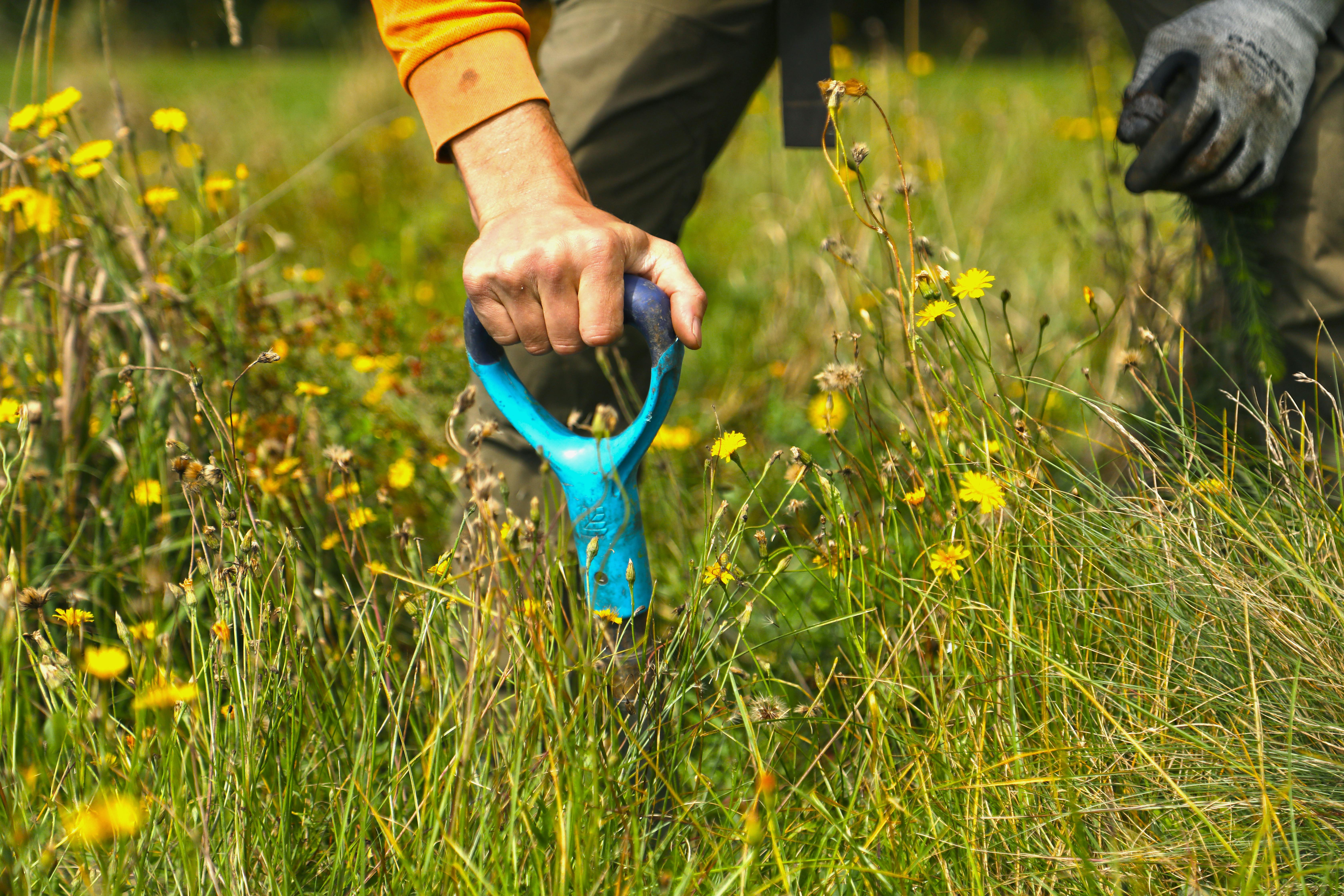
Inviting all 2BT recipients | Monthly Open Meeting
Join us for a monthly open meeting where 2BT program recipients connect to discuss challenges (and successes!) related to implementing their projects.
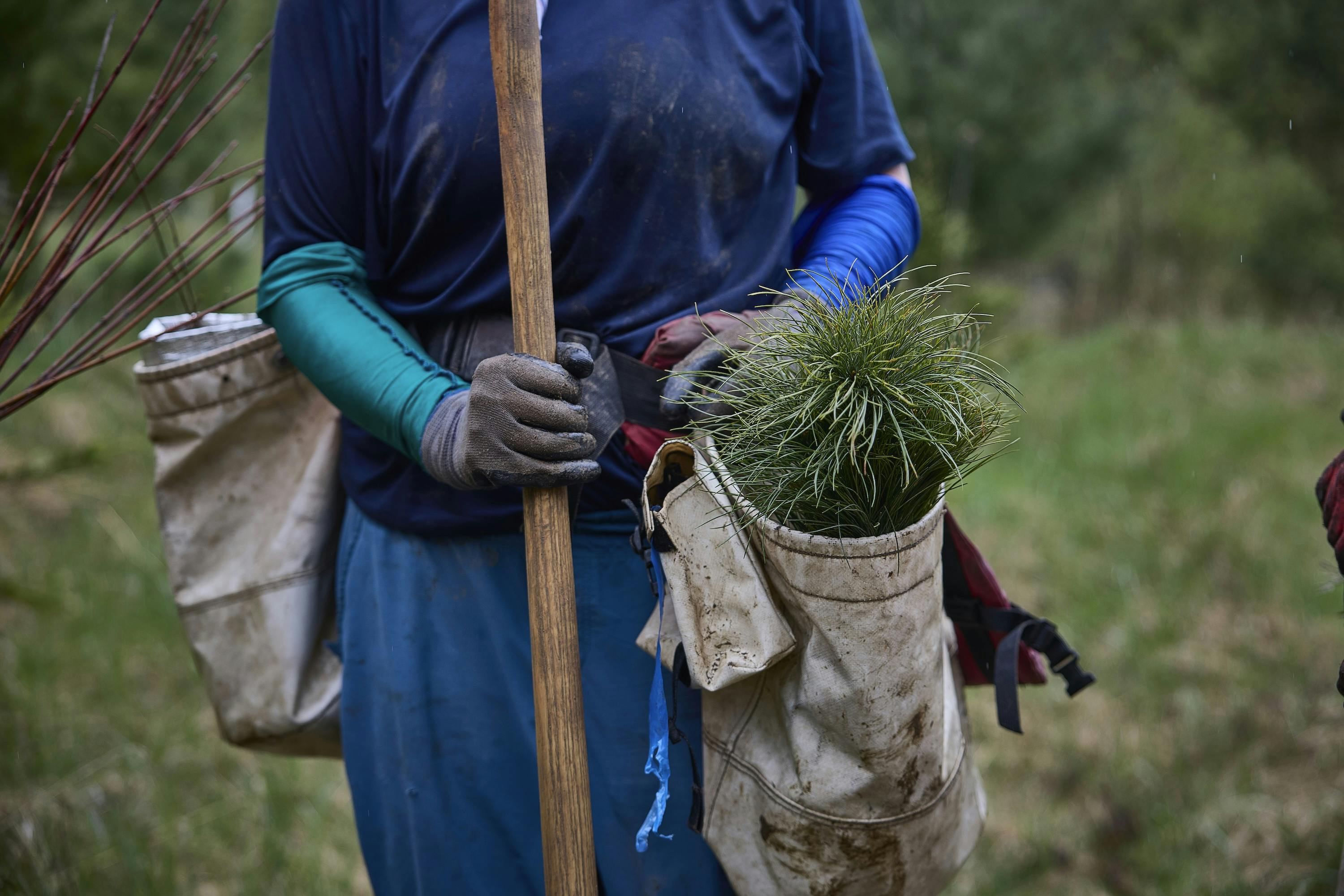
About Us
What is the Reforest Canada Collective?
In tree planting and forest restoration projects, stock sourcing, site preparation, planting, and maintenance are not isolated steps, but parts of an interconnected system that constantly communicates and functions as a whole.
The Reforest Canada Collective (RCC), a division of Forests Canada, is a platform that connects Canada’s tree planting and forest restoration community for knowledge sharing and collaboration. Our goal is to improve the scale and quality of tree planting projects nationwide. Through sharing best practices, building and sharing capacity, and promoting open dialogue, we aim to foster a community that is as dynamic as the forest ecosystems we seek to create and nurture.
What can the Reforest Canada Collective help with?
Planning a project
New to tree planting? Learn how to plan a tree planting project from start to stewardship.
Find implementation-focused resources
Searching for practical information on how to approach your project? Explore our growing hub of planting resources
Connecting with peers and partners
Looking for input, inspiration or support? Find upcoming events on project implementation or reach out to co-organize an event with the RCC.
Featured Resources
Check out go-to resources used by tree planters and forest restoration practitioners across Canada.
Webinar: Planning Ahead for Climate-Adapted Forests
Webinar highlighting knowledge and projects related to climate-adapted tree seed, assisted species migration, Indigenous-led tree species conservation, and more.
See Resource

A Look at Current Operational Tree Planting Capacity in Canada
A report on Canada's tree planting workforce and barriers to expansion
See Resource
Webinar: Planning Ahead for Climate-Adapted Forests
Webinar highlighting knowledge and projects related to climate-adapted tree seed, assisted species migration, Indigenous-led tree species conservation, and more.
See Resource

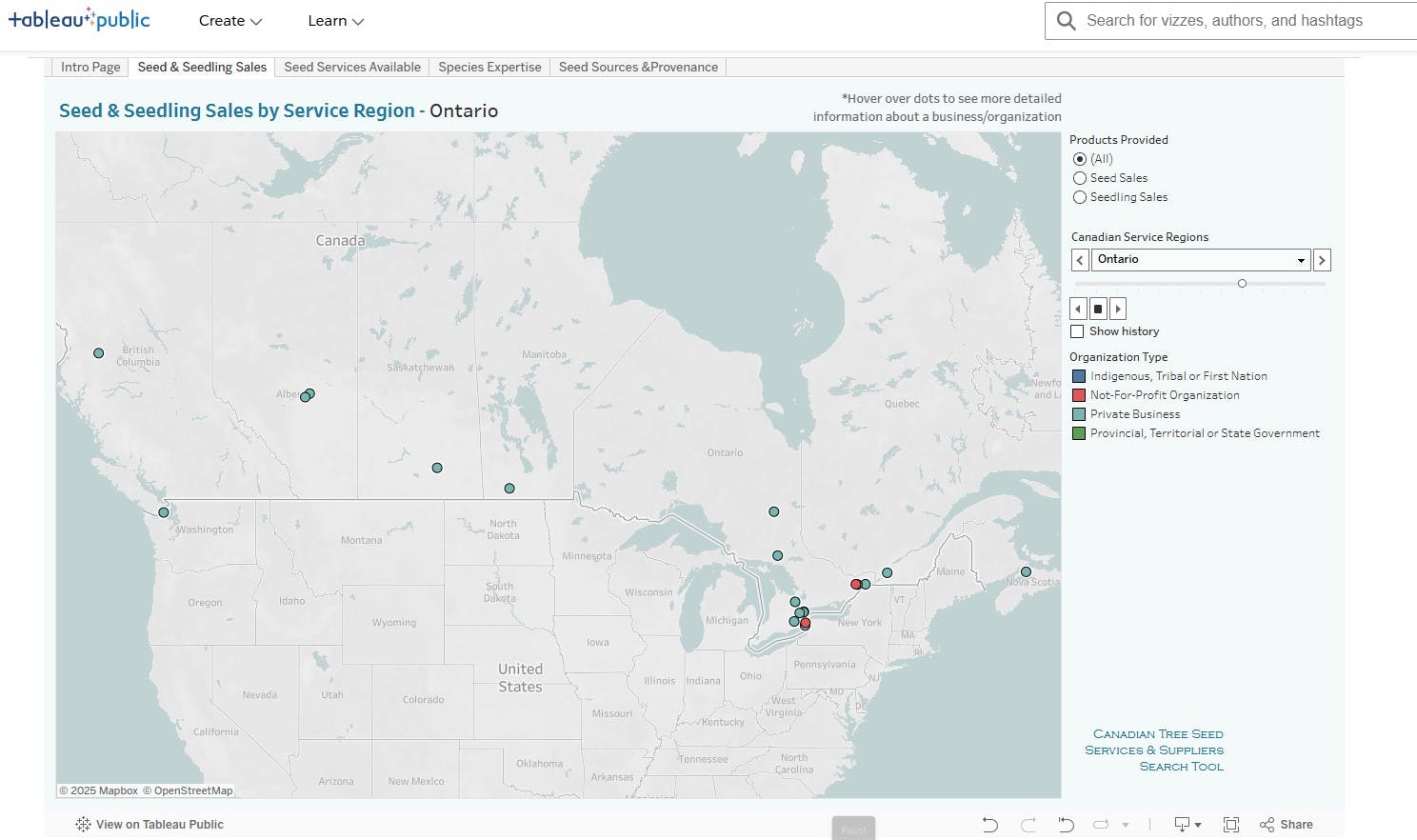
Canadian Tree Seed Services and Suppliers Tool
Tool that connects industry professionals looking to access seed services and suppliers in Canada
See Resource

A Look at Current Operational Tree Planting Capacity in Canada
A report on Canada's tree planting workforce and barriers to expansion
See Resource

Guidelines for Climate Adaptive Forest Restoration and Reforestation Projects
Guide published out of Europe on climate adaptive forest restoration and forestation success
See Resource

Webinar: Planning Ahead for Climate-Adapted Forests
Webinar highlighting knowledge and projects related to climate-adapted tree seed, assisted species migration, Indigenous-led tree species conservation, and more.
See Resource

Reclaiming the land: How the 2 Billion Trees Program is helping one Indigenous community restore forests and community
Highlighting Williams Lake First Nation's 2 Billion Tree project
See Resource

Canadian Tree Seed Services and Suppliers Tool
Tool that connects industry professionals looking to access seed services and suppliers in Canada
See Resource

Community-Building Gathering | Summary of Guidance
Summary of recommendations and next steps for the RCC's development from an in-person gathering of organizations with 2BT Program funding in early 2025.
See Resource

Native Woody Plant Seed Collection Guide for British Columbia
Information on BC woody plant seed collection practices, species descriptions, and photographs that aid the collector in identifying key features of flowers, fruits, and seeds during the stages of flowering, forecasting, and collection
See Resource

USFS Seedlot Selection Tool (SST)
GIS mapping program designed to help forest managers in North America match seedlots with planting sites based on climatic information
See Resource

Vegetation Information System Saskatchewan (VegISS)
Database application initiated in 2009 to store data from rangeland, riparian health, and vegetation surveys within the province of Saskatchewan
See Resource

Artificial regeneration of hardwoods Plantation planning and site preparation
Guide from the Nothern Hardwoods Research Institute for the artificial regeneration of hardwoods: plantation planning and site preparation
See Resource

So You Want to Start a Tree Planting Company...
A reflection of a tree planter turned company owner
See Resource

Step by step for the process of tree species selection in Canada
Flowchart to guide decision-making process for species seelction for tree planting projects in Canada
See Resource

Planting trees and enhancing forest resilience on private land in Alberta
A tree planting project in Alberta working with beaver habitat
See Resource

Understanding Landholder Motivations
Article authored by the Agroforestry & Woodlot Extension Society on the topic of navigating landowner motivations for a tree planting project
See Resource

Restoring forest cover at diverse sites across Canada can balance synergies and trade-offs
Mapped restoration scenarios that prioritize different objectives to amplify synergies and characterize solutions to trade-offs
See Resource

Best management practices guide for forestry interventions in wooded wetlands of private forests in Quebec
Document intended for woodlot owners and practitioners involved in silvicultural treatments of the forest
See Resource

Operational-scale Carbon Budget Model of the Canadian Forest Sector (CBM-CFS3) version 1.2: user’s guide
Updated guide for the Carbon Budget Model of the Canadian Forest Sector (CBM-CFS3) version 1.2
See Resource

Webinar: Clustered deciduous tree planting as a method to speed forest structural development in post-industrial disturbed landscapes
Webinar recording of presentation led by Dr. Amanda Schoonmaker, NAIT, and project team on the topic of cluster planting of trees for reclamation of post-industrial disturbed sites
See Resource
Webinar Session 3: Forest Recovery Strategies After Wildfire in Canada
Recording of Webinar Session 3: Forest Recovery Strategies After Wildfire in Canada, February 12 2025
See Resource
Webinar Session 2: Forest Recovery Strategies After Wildfire in Canada
Recording of Webinar Session 2: Forest Recovery Strategies After Wildfire in Canada, February 5 2025
See Resource

Webinar Session 1: Forest Recovery Strategies After Wildfire in Canada
Recording of Webinar Session 1: Forest Recovery Strategies After Wildfire in Canada, January 29, 2025
See Resource

Intro to Reforest Canada Collective - January 15, 2025
Recording of the live event "Intro to Reforest Canada Collective", January 15, 2025
See Resource

Restoring New Brunswick's Watersheds: A Toolkit
This toolkit hopes to take you through all the steps required to create small and large reforestation and restoration projects to benefit a watershed in New Brunswick.
See Resource

RCC Article | Why the Reforest Canada Collective Was Formed
Read more about the origin of the RCC, who it is for and its intentions to connect and support Canada's tree planting and forest restoration community.
See Resource
Habitat Restoration Tree Planting: Quick Facts
Guide to planning and implementing restoration-focused tree planting projects with public funding from the 2 Billion Trees (2BT) program in Atlantic Canada and the Wabanaki Forest.
See Resource
Grow a Green Future: A Guide for Successful Tree Planting
Guide to empower communities, organizations, and individuals with the information they need to plant healthy forests.
See Resource
Canadian Forestry Regulations and Standards
Compiles all federal and provincial legislation and regulations in Canada and outlined sustainable forest management certification and company-specific forest management planning in Canada.
See Resource
Yukon Forestry Handbook
Handbook outlines selected forest management and planning activities of Yukon’s Forest Management branch (FMB) intended to assist the public, forest users, wood cutters, forest owners and others to gain a clear understanding of how forestry is carried out, particularly at the management level.
See Resource
New England–Acadian Forest Restoration: A Landowner’s Guide to Theory and Practice
Manual for landowners for the restoration of New England–Acadian Forest
See Resource
Climate Smart Forestry: Expert Panel on Adaptive Strategies for Diverse Management Objectives
Document summarizing climate adaptation strategies, approaches, and tactics relevant to New Brunswick’s forests
See Resource
NHRI Adaptive Silviculture Volume 1
Guidebook on the appopaches of adaptive silviculture and climate-smart forestry in New Brunswick
See Resource
Natural Climate Solutions Handbook
Guidelines and best practices for navigating Natural Climate Solutions complexities and accurately assessing the nature-based climate mitigation potential in your country or jurisdiction
See Resource
Plant Wizard / JRP Solutions Ltd. Seed & Seedling Management System
Plant Wizard is an application designed to help coordinate the many administration processes involved in the successful implementation of a tree planting project
See Resource
Native Trees and Woodland Shrubs of Prince Edward Island
Historical reference to the native trees and shrubs of PEI, Canada
See Resource
Provincial Seedling Stock Type Selection and Ordering Guidelines
Guidebook produced to assist silviculturalists in making stock type selection decisions in British Columbia
See Resource

Planting Quality Inspection: Guide to Completing the FS 704
Field booklet is designed to assist planters, planting contractors, and inspectors in understanding the planting quality inspection procedure in British Columbia
See Resource

Reforestation Standard of Alberta
Reforestation requirements for Alberta, including the procedures and methods to be used to determine whether or not an area of public land that is required to be reforested is satisfactorily reforested
See Resource
Guide to the Common Native Trees and Shrubs of Alberta
Guide has been prepared to assist vegetation managers in the identification of the 29 most common woody plants found in Alberta
See Resource
Guide to Habitat Attributes by Ecosite for Multiple Species at Risk
Approach to multi-species at risk habitat management that links species habitat requirements to existing land classification systems (i.e., ecosite/range type and plant community type)
See Resource

Guidance for successful tree planting initiatives
Literature review to provide detailed, forward-thinking guidance on how to address tree planting complexities to achieve more successful outcomes
See Resource
Field Guide: Trees of Manitoba
Guide for species identification and profiles for tree species in Manitoba
See Resource
Field Guide to the Ecosites of Saskatchewan’s Provincial Forests
Forest ecosystem classification system that spans eight ecoregions in Saskatchewan
See Resource

Extension Note: Opportunities for Improvements to Reforestation Success
Various issues pertaining to artificial reforestation using coniferous planting stock are presented in the question/answer format
See Resource

Ecosystem-Based Forest Management Standards Manual
Technical document intended to be used by forest professionals to assist in the management of the forest of Prince Edward Island
See Resource
Discussion Paper: Alternative Approaches to Afforestation
This discussion paper is intended to assemble information related to both conventional afforestation and more recently applied afforestation approaches having an ecological restoration focus
See Resource
Common Range Plants of Southern Saskatchewan
Basic plant identification and reviews the common range plant species found throughout southern Saskatchewan
See Resource
Common Range Plants in Northern Saskatchewan
Basic plant identification and reviews the common range plant species found throughout northern Saskatchewan.
See Resource
Climate Seedlot Selection Tool (CBST) Version 6.0
Geospatial seedlot data for British Columbia
See Resource
Assisted Migration as a Tool for Climate Change Adaptation in Canada
CIF Lecture Series presentation delivered by John Pedlar, Dan McKenney, CFS.
See Resource
Alternative Silviculture for Boreal Mixedwood Forests of Alberta
Report highlights some alternative silviculture procedures that maintain boreal mixedwood forests.
See Resource
AbaData
Alberta-based software company providing GIS data mapping solutions for the energy, environmental, renewables & utilities industries.
See Resource

A Planter's Guide to Recognizing Optimum Microsites
This publication defines Microsite planting as choosing the best location to plant a seedling to ensure its optimum health and growth. It also describes planters as the last critical link in the long chain of events that strives to grow high quality trees.
See Resource

Step by Step: A Tree Planter's Handbook
Comprehensive training manual and reference guide for Canadian reforestation workers
See Resource

Tree Improvement in Canada – past, present and future, 2023 and beyond
Consolidates the most current information available on tree improvement in Canada and provides a summary of key historical events leading to its development and expansion across the country
See Resource
Upcoming Events
Take part in the conversations shaping the implementation of tree planting and forest restoration in Canada.

Reforest Canada Collective
Mar 24, 2026
Monthly Open Meeting for 2BT Recipients
Reforest Canada Collective
Mar 17, 2026 - Mar 17, 2026
RCC Meeting on Communicating Collectively
1:30-2:30pm ET
Event Details
SERNbc
Mar 9, 2026 - Mar 9, 2026
Stocking Standards for Ecosystem Restoration: Diana Gerdenits, SERNbc
Part of the Northern BC CoP: Lunch 'n' Learn Webinar Series
3:30 PM - 4:30 PM PT
Event DetailsYou might be wondering...
The Reforest Canada Collective is funded by the Government of Canada’s 2 Billion Trees (2BT) program. The RCC management team works closely with the 2BT team to identify capacity and resource gaps highlighted by 2BT recipients. However, the RCC is independent from the Government of Canada in its initiatives.
The RCC is managed by Forests Canada staff with the generous voluntary support and input from its the contributing organizations of its working group.
No, the RCC does not directly provide funding. We do curate and create resources and host events to help organizations understand their funding options and identify the best opportunities for their objectives.
The RCC team is not involved in the official review or award process of 2BT funding agreements. Applications for 2BT funding must be submitted directly through the Government of Canada’s official 2BT application portal.
The Reforest Canada Collective is open to discussing partnerships to support our goal of increasing the scale and quality of tree planting and forest restoration projects nationwide.
Contact our team at: hello@reforestcollective.ca